
Specialty treatments · Glaucoma
Glaucoma care and the glaucoma stent
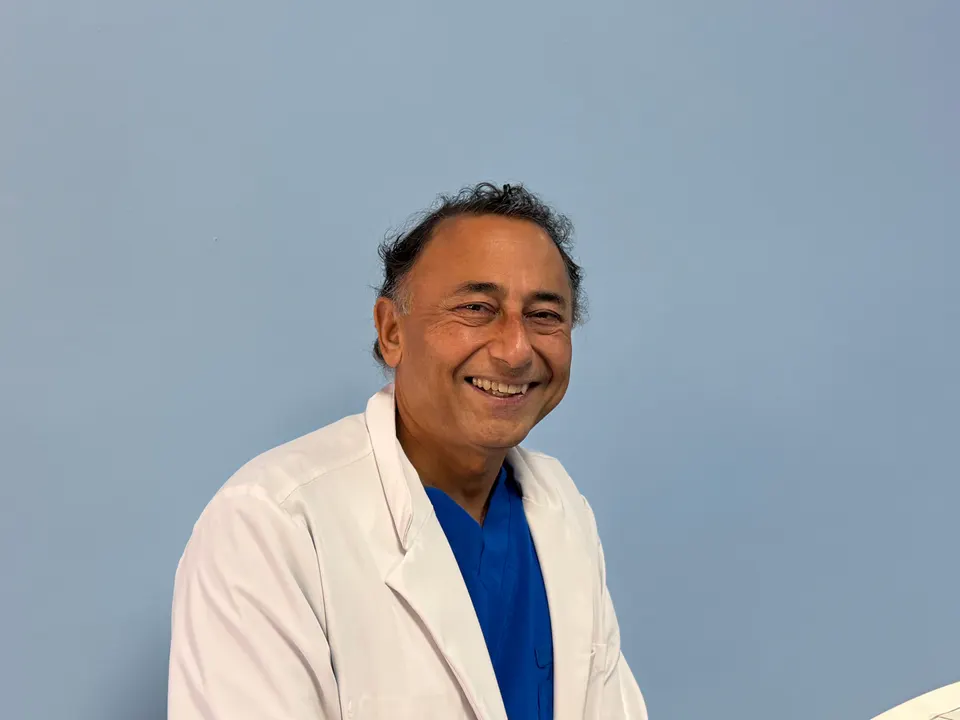
Reviewed by Rajesh Khanna, MD
Glaucoma is a condition that damages the optic nerve, often because fluid in the eye does not drain properly and eye pressure builds up. It can progress quietly, so early diagnosis matters. For suitable patients, Dr. Khanna offers micro-invasive glaucoma surgery (MIGS), in which a tiny stent is placed in the eye to help fluid drain.
How it works
What glaucoma is and how a stent helps
Inside the eye, fluid is constantly made and drained. When it does not drain properly, pressure can rise and, over time, damage the optic nerve. Glaucoma often has no early symptoms, which is why regular eye exams matter, especially after 40.
A glaucoma stent is one of the smallest implants used in medicine. It is placed in the eye’s natural drainage system to create a pathway for fluid, which helps lower eye pressure. In his video on MIGS, Dr. Khanna notes that placing the stent itself takes only a couple of minutes, and that micro-invasive surgery generally has fewer side effects than traditional glaucoma surgery.
One of the newest glaucoma treatments is iDose TR, an FDA-approved implant that contains travoprost, a common glaucoma medicine. The tiny implant is placed inside the eye through a small opening, where it slowly releases medicine over time to help lower eye pressure. It is approved for adults with open-angle glaucoma or high eye pressure (ocular hypertension). For some patients it may reduce the need for daily pressure-lowering drops, though many people still use drops. It is not right for everyone, for example people with certain cornea conditions, a prior corneal transplant or an eye infection. Dr. Khanna offers iDose TR and can discuss whether it is an option for you.
Glaucoma damage cannot be reversed. The goal of treatment is to control pressure and help protect the vision you have.
Candidacy
Are you a candidate for Glaucoma and glaucoma stents?
Whether a stent fits you depends on your exam: your eye pressure, the health of your optic nerve and the type of glaucoma you have.
Often a good fit
- Mild to moderate open-angle glaucoma
- Glaucoma along with a cataract that needs surgery
- Difficulty keeping up with daily glaucoma drops
May not be right, or not yet
- Glaucoma that has not yet been fully evaluated
- Types or stages of glaucoma that need a different approach
- Active eye infection
Procedure day
Your path to glaucoma care
Free VIP Photo and/or Video Consult
Talk through your diagnosis, your current drops and your questions, and get a plan for the next steps.
Full eye exam
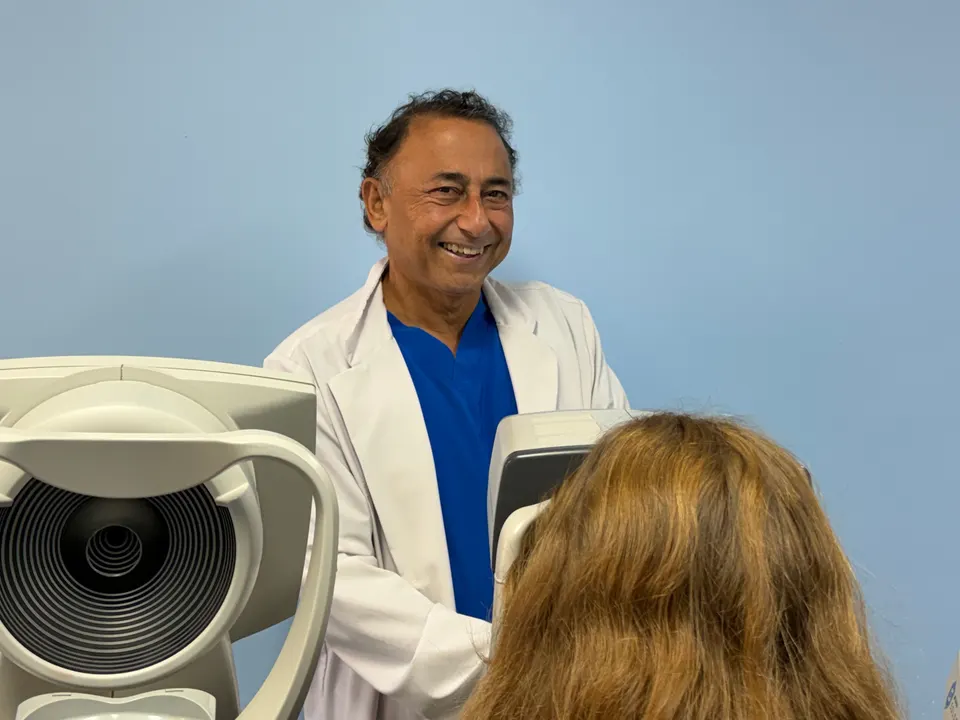
Dr. Khanna reviews your eye pressure, optic nerve health and overall eye condition to decide which options fit.
The procedure, if right for you
Numbing medication keeps you comfortable. The stent is placed through a tiny opening, often during cataract surgery.
Follow-up
You go home the same day and return for follow-up visits to check healing and pressure.
Recovery
Recovery
Recovery after a stent is usually smooth. Follow-up visits check your healing and your eye pressure over time.
Same day
You go home with someone else driving.
First days
Some redness or blurred vision can be normal. Use the drops you are prescribed and avoid rubbing the eye.
Follow-up visits
Pressure checks continue so your glaucoma plan can be adjusted if needed.
Call the surgical team right away for increasing pain, sudden vision loss, marked redness or discharge.
Benefits and risks
The honest version
Why people consider Glaucoma and glaucoma stents
- A micro-invasive approach with very little downtime
- Can often be combined with cataract surgery
- Helps lower eye pressure by improving drainage
- May reduce reliance on daily drops for some patients
What no one can promise
Possible risks include bleeding, inflammation, infection, pressure changes and temporary blurred vision. Some bleeding right after a stent can be normal.
A stent does not cure glaucoma. Many people still need drops or other treatment, and regular checkups continue for life.
Your surgeon
The technology is advanced. The judgment is personal.
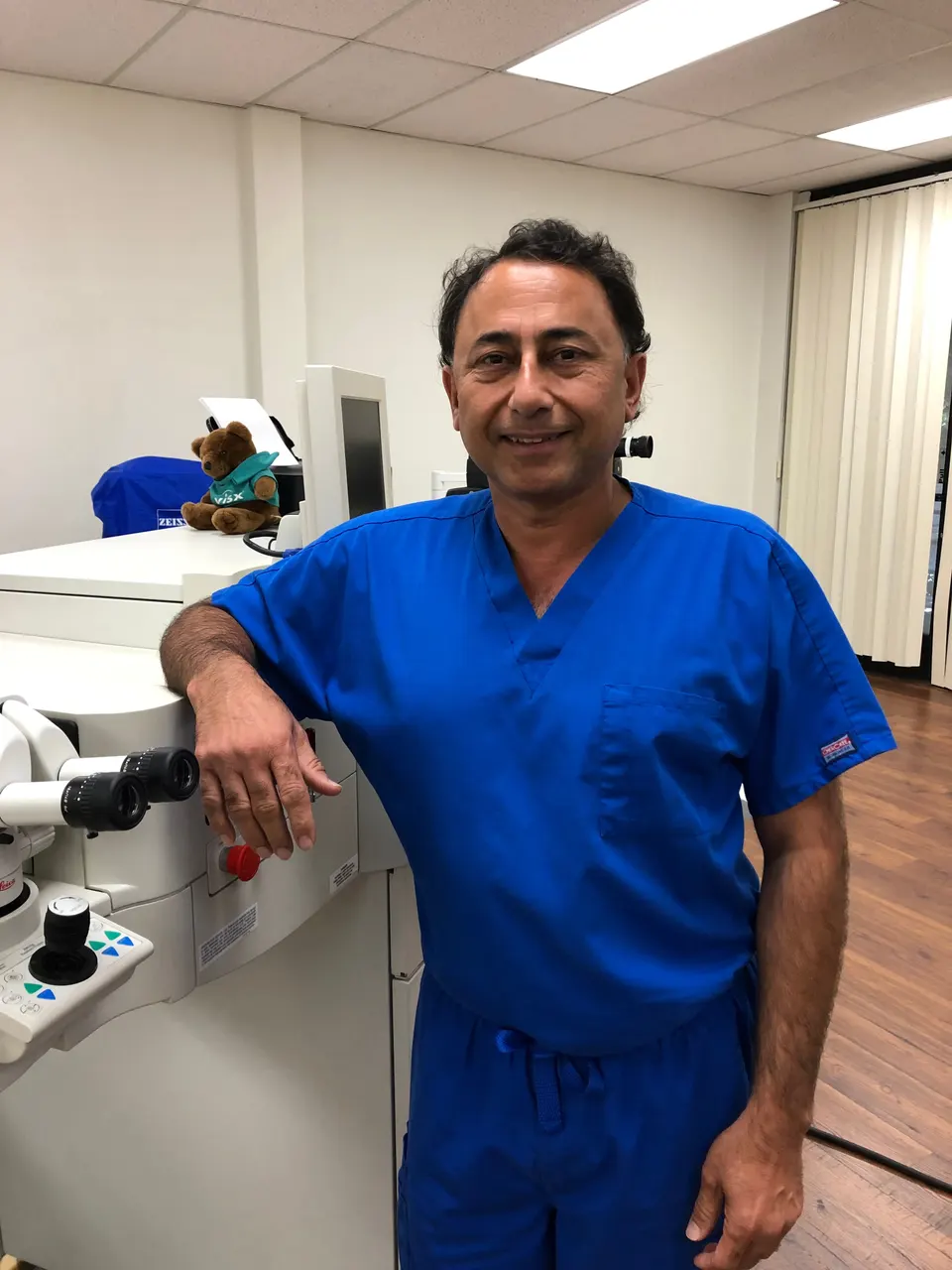
Rajesh Khanna, MD is a UCLA clinical instructor with 25+ years in practice and 25,000+ vision procedures.
At your visit, Dr. Khanna decides whether surgery is the right choice, which procedure fits your eyes, and how to manage the result. The aim is the safest path to the vision that matters in your life, not the newest procedure for everyone.
"I've operated on my own mother, my wife and my son." (Dr. Khanna)
About Dr. KhannaCost and financing
Insurance and your first visit
We accept PPO plans only. We do not accept HMO plans or Medi-Cal.
Coverage depends on your plan and your diagnosis. Our team explains it at your Free VIP Photo and/or Video Consult. Call Beverly Hills at (310) 482-1240 or Westlake Village at (805) 230-2126.
We accept PPO plans only. We do not accept HMO plans or Medi-Cal. For questions about a specific plan, call (310) 482-1240.
Not a candidate for Glaucoma and glaucoma stents?
- Prescription eye drops: to lower pressure
- Laser trabeculoplasty: to improve drainage
- Traditional glaucoma surgery: for more advanced cases
Glaucoma and glaucoma stents questions
What is glaucoma?
A condition that damages the optic nerve, often because fluid in the eye does not drain properly and pressure builds up.
What is a glaucoma stent?
A tiny implant placed in the eye’s drainage system to help fluid flow out and lower eye pressure. It is part of micro-invasive glaucoma surgery (MIGS).
How long does it take to place a stent?
Dr. Khanna notes that placing the stent itself takes about two minutes. You go home the same day.
Can it be done with cataract surgery?
Often, yes. Many patients have a stent placed during cataract surgery, addressing both in one visit.
Will I still need eye drops?
It depends on your eyes. Some patients need fewer drops; others still need them. Your exam and follow-up visits guide this.
Can glaucoma damage be reversed?
No. Treatment aims to control pressure and protect the vision you have, which is why early diagnosis matters.
Do you accept my insurance?
We accept PPO plans only. We do not accept HMO plans or Medi-Cal.
VIP consult
Request your Free VIP Photo and/or Video Consult
Send us your details and our team will set up your Free VIP Photo and/or Video Consult about glaucoma care.
- Your questions answered
- Insurance explained
- Then a full exam
Beverly Hills: Monday and Thursday · Westlake Village: Tuesday, Wednesday and Friday · 8 AM–5 PM, last appointment 4 PM. Saturday by arrangement only: please call.
Sources
Medically reviewed by Rajesh Khanna, MD. This page is educational and does not replace an exam. Eligibility, risks, benefits, alternatives and recovery are reviewed with your surgeon. Results vary.