
Specialty treatments · Dry eye
Dry eye care and HELLO
Reviewed by Rajesh Khanna, MD
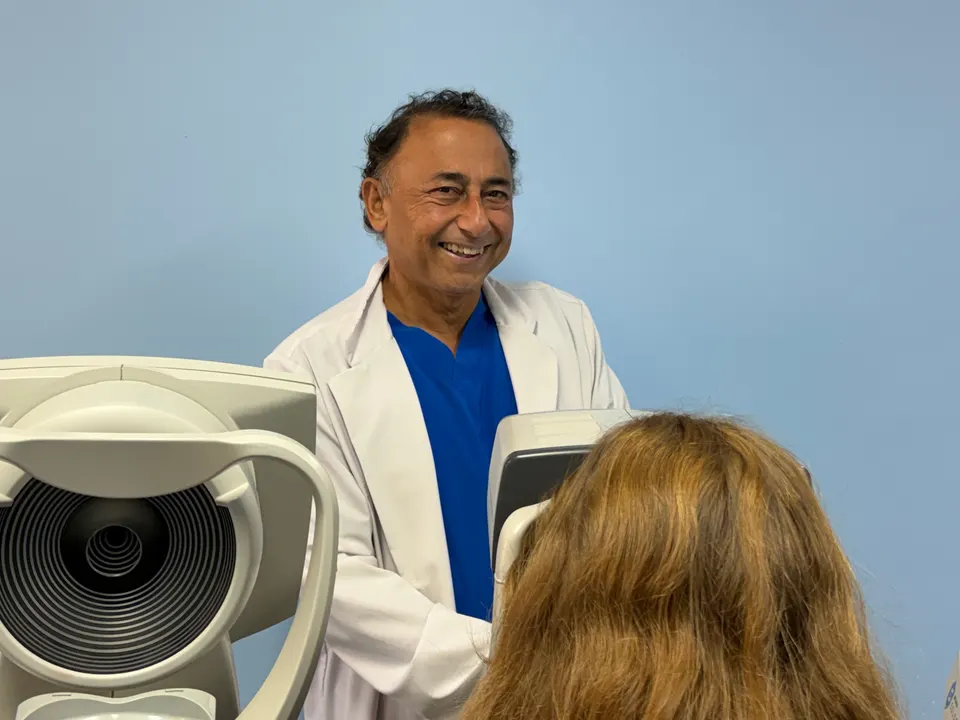
Most dry eye comes from blocked oil glands in the eyelids, called meibomian gland dysfunction. Without enough oil, tears evaporate too fast. HELLO (Heated Expression of Lid Lipid Outflow) uses gentle heat and precise pressure, applied by Dr. Khanna, to clear blocked glands so the natural oils can flow again. Your plan may also include preservative-free artificial tears.
How it works
Why dry eye happens
Tears have three layers: water to hydrate, oil to seal in moisture, and mucus to help tears spread. When the oil glands in the eyelids clog, tears evaporate too quickly and the eyes feel gritty, burn or water.
In HELLO, Dr. Khanna applies controlled heat to soften the blocked oils, then carefully expresses each gland. Many patients notice relief soon after treatment.
Candidacy
Are you a candidate for Dry eye care?
An exam confirms the cause of your symptoms before treatment.
Often a good fit
- Gritty, burning or watery eyes
- Meibomian gland dysfunction on exam
- Frequent styes or chalazia
- Dry eyes after LASIK or other eye surgery
- Long hours on screens
May not be right, or not yet
- Eye infection or active inflammation that needs treatment first
- Dryness from another cause found on exam
Procedure day
What a HELLO visit is like
Exam
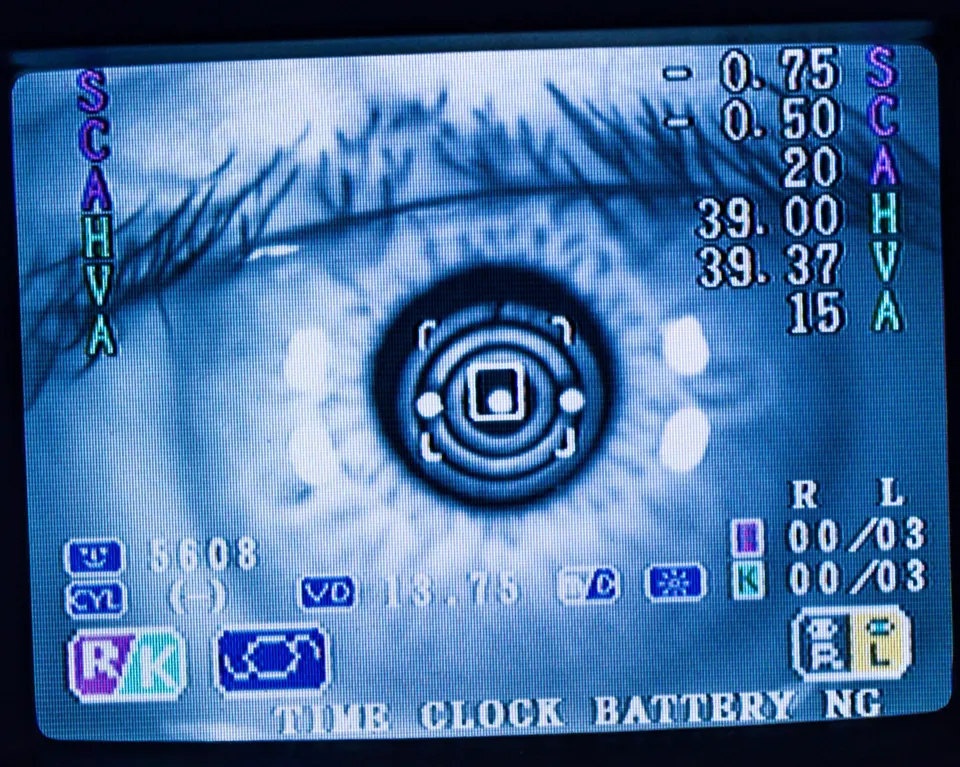
Your eyelids, oil glands and tear film are examined.
Numbing drops
Drops keep you comfortable.
Warm and clear
Gentle heat softens the oils, and each gland is cleared with precise pressure.
Home plan
You leave with drops and lid-care instructions.
Recovery
After treatment
Minor sensitivity for a day or two is possible. Most people return to normal activities right away.
First 1–2 days
Mild sensitivity is possible. Use preservative-free artificial tears as advised.
Contact lenses
Wait a few days before wearing contact lenses again.
Follow-up
Dr. Khanna advises when to repeat treatment based on your glands.
Call the surgical team right away for increasing pain, sudden vision loss, marked redness or discharge.
Benefits and risks
The honest version
Why people consider Dry eye care
- Treats a common cause of dry eye: blocked oil glands
- Performed personally by Dr. Khanna
- A short in-office visit
- Can help after LASIK or other eye surgery
What no one can promise
Temporary eyelid tenderness, redness or sensitivity can occur.
Dry eye often has more than one cause, and results vary. Some patients need repeat treatment or other care.
Your surgeon
The technology is advanced. The judgment is personal.
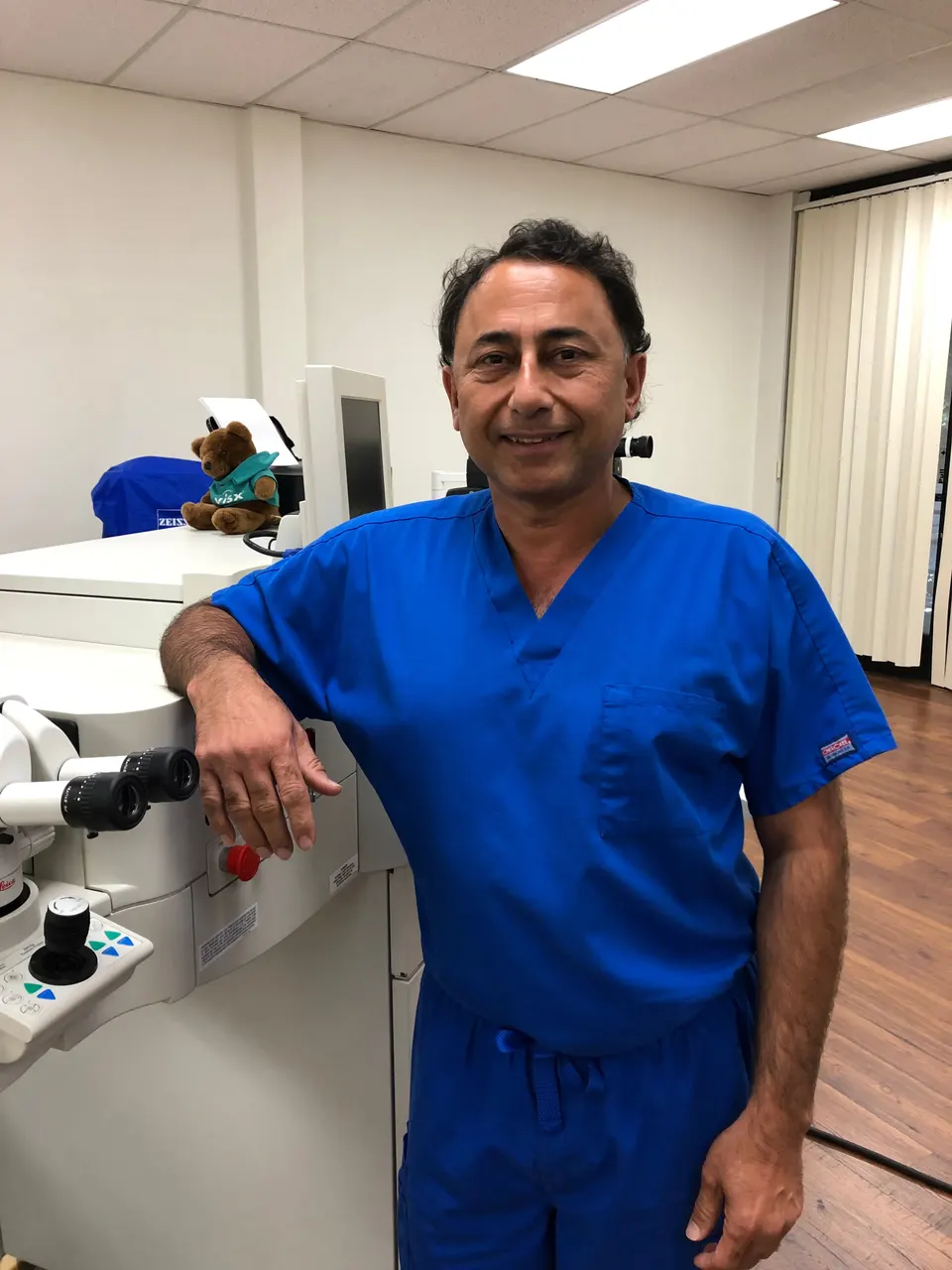
Rajesh Khanna, MD is a UCLA clinical instructor with 25+ years in practice and 25,000+ vision procedures.
At your visit, Dr. Khanna decides whether surgery is the right choice, which procedure fits your eyes, and how to manage the result. Patients who trust him include actress Brenda Song and Corbin Bleu.
"I've operated on my own mother, my wife and my son." (Dr. Khanna)
About Dr. KhannaCost and financing
Visits and cost
Dry eye care starts with an exam: the $195 VIP focused exam (limited to one specific complaint, such as a stye or dry eye) for self-pay patients, or an annual eye exam through insurance (covered; insurance rules apply). Neither is a VIP consult.
HELLO pricing is given at your visit. HELLO is not covered by medical or vision insurance.
We have dropped, and will continue to drop, HMO and optical (vision) insurance plans. For questions about a specific plan, call (310) 482-1240.
Other dry eye care
- Preservative-free artificial tears: for day-to-day comfort
- Lid hygiene and warm compresses: as advised at your exam
- Pterygium surgery: includes HELLO dry eye treatments
Dry eye care questions
Does HELLO hurt?
Most patients find it comfortable. Numbing drops are used, and many describe it as gentle pressure with warmth.
How long does it take?
The treatment itself takes about 20–30 minutes.
What does the first visit cost?
The VIP focused exam is $195 for self-pay patients. Insurance patients book an annual eye exam instead.
Which eye drops should I use?
Preservative-free artificial tears, as advised at your exam.
Is HELLO covered by insurance?
No. HELLO is not covered by medical or vision insurance. Your price is given at your visit.
Can I wear contact lenses after HELLO?
Yes, after a few days. HELLO often makes contact lenses more comfortable.
VIP consult
Request a dry eye exam
Tell us whether you’re self-pay or using insurance, and our team will book the right exam.
- Self-pay: $195 VIP focused exam
- Insurance: annual eye exam
- HELLO performed by Dr. Khanna
Beverly Hills: Monday and Thursday · Westlake Village: Tuesday, Wednesday and Friday · 8 AM–5 PM, last appointment 4 PM. Saturday by arrangement only: please call.
Sources
Medically reviewed by Rajesh Khanna, MD (review pending before launch). This page is educational and does not replace an exam. Eligibility, risks, benefits, alternatives and recovery are reviewed with your surgeon. Results vary.